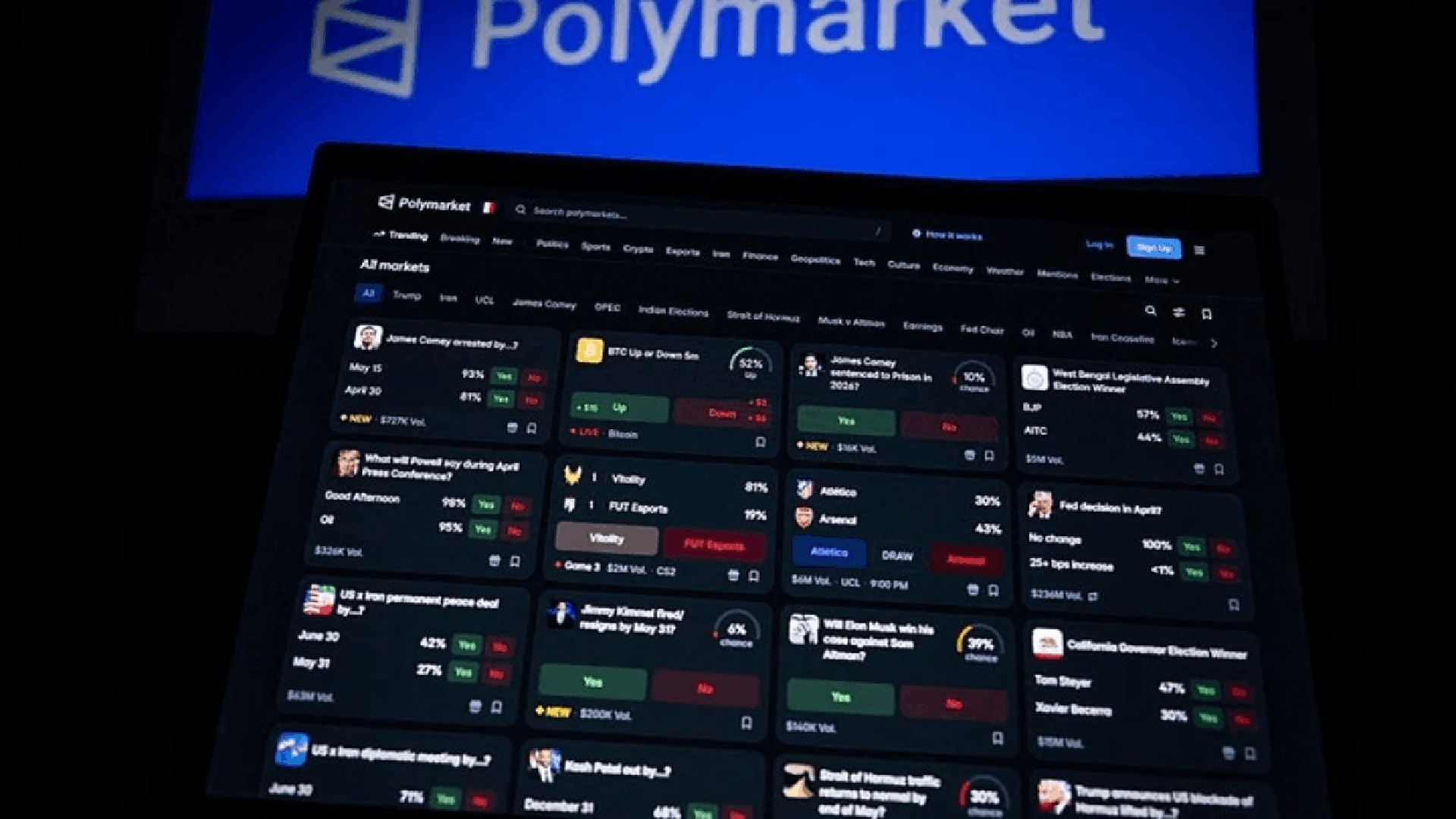
The prediction markets platform will be unveiled by Robinhood Markets (NASDAQ: HOOD) on Tuesday at an event called Robinhood Presents: YES/NO. According to an analyst, the incident might have a profound impact on the sports betting sector.
In a note to clients today, Bank of America analyst Julie Hoover, who follows Robinhood, stated that one of the discoveries from the Dec. 16 event could be that the trading house is letting investors and clients know that it is less reliant on Kalshi for event contracts.
Given that Robinhood revealed last month that it is collaborating with market maker Susquehanna International Group on what amounts to an organic prediction markets service, it is a clear but unconfirmed possibility. The business that created the widely used trading software has insisted that it will continue to work with Kalshi.
Robinhood has been offering Kalshi event contracts on its trading platform, with the two businesses splitting the economics equally. However, since prediction markets are one of Robinhood's fastest-growing segments and the former accounts for 25% to 35% of the former's volume, it may be motivated to reduce the Kalshi relationship.
Not Always Positive News for FanDuel and DraftKings
Hoover of Bank of America notes that the prevailing mood in the sports betting sector is that unfavorable news for Kalshi is advantageous for established operators, but that viewpoint might be incorrect.
"From our conversations, it seems like online sports betting investors are viewing any negative for Kalshi as a positive for OSB operators, but we think a large tech company such as HOOD investing more in the space is a competitive threat to DraftKings and FanDuel,” observes the analyst.
The two biggest US sportsbook providers, DraftKings and FanDuel, a division of Flutter Entertainment (NYSE: FLUT), are both entering the prediction markets sector. FanDuel already exists, and DraftKings is anticipated to launch a comparable service shortly.
According to Hoover, Robinhood's prediction markets effort has the potential to significantly change the sports betting environment, but it also indicates that the major sports betting companies are not ignoring the threat posed by prediction markets. The financial services corporation is larger than all publicly traded gambling companies in terms of market value, and with around $23 billion in cash on hand, it has the means to disrupt sports betting through its aspirations for a prediction market.
Pay Attention to Fees
How competitive the business intends to be with Kalshi and Polymarket on event contract prices is another issue to keep an eye on during the Robinhood prediction markets event. Because sportsbook providers do not impose per-bet fees outside of Illinois, fee compression is a major problem in the yes/no contracts market. Prediction exchanges are projected to be less promotion-intensive than sports betting, thus their ability to keep fees as low as possible is also important.
Some market experts think prediction markets are on track to grow revenue dramatically over the next few years, despite the potential for an event contracts fee war.
If more institutional investors join the market, operators may be able to maintain low fees as the prediction markets market expands. Because yes/no options offer ways to hedge legal, macroeconomic, and regulatory risks, analysts believe prediction markets are ready for more professional investors to participate.